<?xml version='1.0' encoding='UTF-8'?>

<!DOCTYPE article PUBLIC "-//NLM//DTD JATS (Z39.96) Journal Publishing DTD v1.1d1 20130915//EN" "JATS-journalpublishing1.dtd">
<article xmlns:xlink="http://www.w3.org/1999/xlink">
  <front>
    <journal-meta id="journal-meta-87cddb9ab7774ac9973b6a64b7cbc767">
      <journal-id journal-id-type="nlm-ta">Sciresol</journal-id>
      <journal-id journal-id-type="publisher-id">Sciresol</journal-id>
      <journal-id journal-id-type="journal_submission_guidelines">https://jmsh.ac.in/</journal-id>
      <journal-title-group>
        <journal-title>Journal of Medical Sciences and Health</journal-title>
      </journal-title-group>
      <issn publication-format="print"/>
    </journal-meta>
    <article-meta>
        
          
            <article-id pub-id-type="doi">10.54839/ijprcp.v5i3.26.2</article-id>
          
          
            <article-categories>
              <subj-group>
                <subject>REVIEW ARTICLE</subject>
              </subj-group>
            </article-categories>
            <title-group>
              <article-title>&lt;p&gt;Effects of Physical Activity on Mental Health in Students – A Narrative Review&lt;/p&gt;</article-title>
            </title-group>
          
          
            <pub-date date-type="pub">
              <day>30</day>
              <month>3</month>
              <year>2026</year>
            </pub-date>
            <permissions>
              <copyright-year>2026</copyright-year>
            </permissions>
          
          
            <volume>5</volume>
          
          
            <issue>3</issue>
          
          <fpage>1</fpage>

          <abstract>
            <title>Abstract</title>
            &lt;p&gt;Mental health problems such as anxiety, depression and stress are common among students due to academic pressure, lifestyle changes and sedentary behaviour. Objective of the study is to review and synthesize evidence regarding the role of physical activity in improving mental health outcomes in students. Literature review including experimental, observational and meta‑analysis studies assessing exercise interventions and psychological outcomes. Aerobic, resistance and mind‑body exercises significantly improved mood, reduced depression and anxiety, enhanced cognition and sleep. Structured physical activity programs should be integrated into educational institutions as preventive mental health strategies.&lt;/p&gt;
          </abstract>
          
          
            <kwd-group>
              <title>Keywords</title>
              
                <kwd>Physical activity</kwd>
              
                <kwd>Students</kwd>
              
                <kwd>Depression</kwd>
              
                <kwd>Anxiety</kwd>
              
                <kwd>Exercise therapy</kwd>
              
            </kwd-group>


        <contrib-group>
          
            
              <contrib contrib-type="author">
                <name>
                  <surname>Dhande</surname>
                  <given-names>Anisha</given-names>
                </name>
                
                  <xref rid="aff-1" ref-type="aff">1</xref>
                
              </contrib>


              <aff id="aff-1">
                <institution> Undergraduate Student Krupanidhi College of Physiotherapy </institution>
                <addr-line>Bengaluru, Karnataka India</addr-line>
              </aff>
            
              <aff id="aff-2">
                <institution> Professor and Head, Department of Musculoskeletal sciences Krupanidhi College of Physiotherapy </institution>
                <addr-line>Bengaluru, Karnataka India</addr-line>
              </aff>
            
              <aff id="aff-3">
                <institution> Professor and Dean i/c, Department of Physiotherapy VELS School of Physiotherapy, VELS Institute of Science, Technology and Advanced Studies (VISTAS) </institution>
                <addr-line>Periyapalayam Campus, Uthukottai Taluk, Thiruvallur District, Tamil Nadu India</addr-line>
              </aff>


              <contrib contrib-type="author">
                <name>
                  <surname>Francis</surname>
                  <given-names>T G Tilak</given-names>
                </name>
                
                  <xref rid="aff-2" ref-type="aff">2</xref>
                
              </contrib>


              <aff id="aff-1">
                <institution> Undergraduate Student Krupanidhi College of Physiotherapy </institution>
                <addr-line>Bengaluru, Karnataka India</addr-line>
              </aff>
            
              <aff id="aff-2">
                <institution> Professor and Head, Department of Musculoskeletal sciences Krupanidhi College of Physiotherapy </institution>
                <addr-line>Bengaluru, Karnataka India</addr-line>
              </aff>
            
              <aff id="aff-3">
                <institution> Professor and Dean i/c, Department of Physiotherapy VELS School of Physiotherapy, VELS Institute of Science, Technology and Advanced Studies (VISTAS) </institution>
                <addr-line>Periyapalayam Campus, Uthukottai Taluk, Thiruvallur District, Tamil Nadu India</addr-line>
              </aff>


              <contrib contrib-type="author">
                <name>
                  <surname>Purushothaman</surname>
                  <given-names>Senthil</given-names>
                </name>
                
                  <xref rid="aff-3" ref-type="aff">3</xref>
                
              </contrib>


              <aff id="aff-1">
                <institution> Undergraduate Student Krupanidhi College of Physiotherapy </institution>
                <addr-line>Bengaluru, Karnataka India</addr-line>
              </aff>
            
              <aff id="aff-2">
                <institution> Professor and Head, Department of Musculoskeletal sciences Krupanidhi College of Physiotherapy </institution>
                <addr-line>Bengaluru, Karnataka India</addr-line>
              </aff>
            
              <aff id="aff-3">
                <institution> Professor and Dean i/c, Department of Physiotherapy VELS School of Physiotherapy, VELS Institute of Science, Technology and Advanced Studies (VISTAS) </institution>
                <addr-line>Periyapalayam Campus, Uthukottai Taluk, Thiruvallur District, Tamil Nadu India</addr-line>
              </aff>
            
          
        </contrib-group>
        
    </article-meta>
  </front>
  <body>
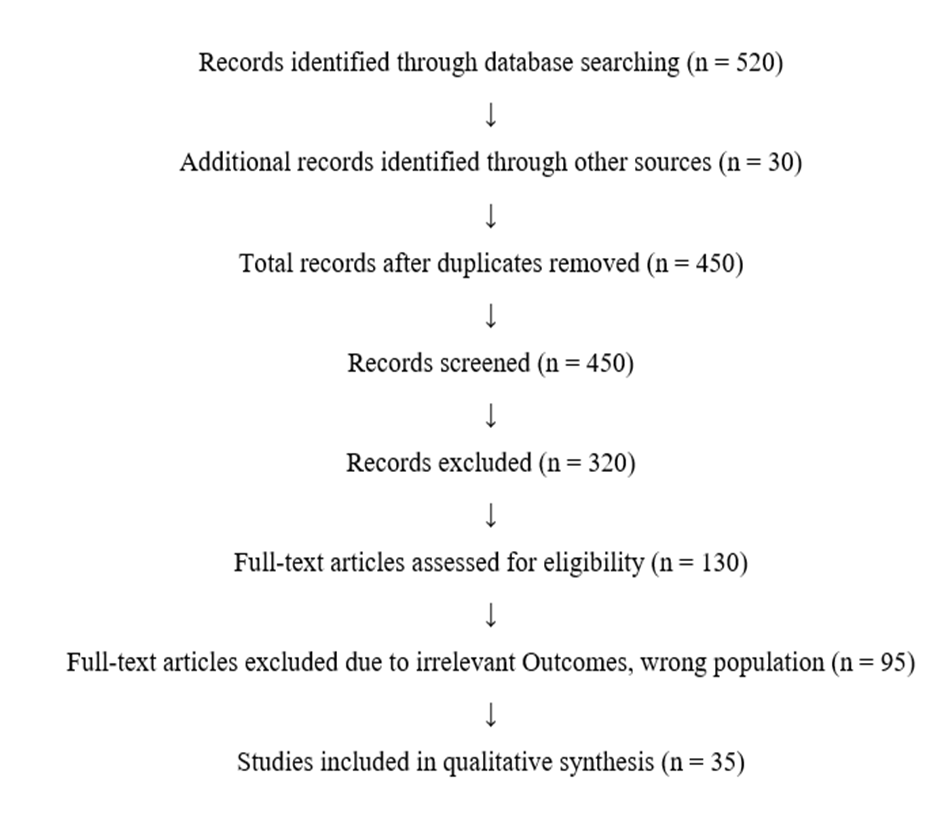
    <heading><span><bold>1 INTRODUCTION</bold></span></heading><p><span>Mental health problems among students have become a major public health concern. Academic pressure, social expectations, and lifestyle changes contribute to increasing levels of anxiety, depression, and psychological distress. Sedentary behaviour and prolonged screen exposure further aggravate these conditions<superscript>[<xref ref-type="link" rid="#ref-1">1</xref>-<xref ref-type="link" rid="#ref-3">3</xref>]</superscript>. Physical activity (PA) is widely recognized as a cost‑effective intervention benefiting both physical and psychological health. Exercise improves mood, emotional stability, cognitive performance, and sleep quality, directly influencing academic performance and quality of life<superscript>[<xref ref-type="link" rid="#ref-1">1</xref>-<xref ref-type="link" rid="#ref-5">5</xref>]</superscript>. This review evaluates evidence regarding effectiveness, mechanisms, and optimal dosage of physical activity for improving mental health in students<superscript>[<xref ref-type="link" rid="#ref-2">2</xref>, <xref ref-type="link" rid="#ref-4">4</xref>, <xref ref-type="link" rid="#ref-7">7</xref>]</superscript>.</span></p><heading><span><bold>2 MATERIALS AND METHODS </bold></span></heading><p><span>This study was designed as a narrative review article aimed at synthesizing available evidence regarding the impact of physical activity on mental health among students. Search Strategy (<xref ref-type="link" rid="#figure-1">[Fig. 1]</xref>) for this structured literature search was conducted across the following electronic databases: PubMed, Scopus, Web of Science, Google Scholar. The search was performed for studies published between 2000 and 2025. Keywords and Medical Subject Headings (MeSH) terms used included: “physical activity” OR “exercise”, “mental health” OR “depression” OR “anxiety” OR “stress”, “students” OR “college students” OR “adolescents”. These terms were combined using Boolean operators (AND, OR). Studies were included if they involved school or university students and evaluated the relationship between physical activity and mental health outcomes. Only English-language full-text articles were considered eligible for inclusion. Both observational and interventional studies assessing exercise-based interventions in student populations were reviewed. Studies were excluded if they involved animal subjects, included interventions not directly related to physical activity, or contained incomplete or insufficient data for interpretation. Articles lacking clearly defined mental health outcome measures were also excluded. Articles were screened based on title and abstract, followed by full-text review. Relevant studies meeting inclusion criteria were included for qualitative synthesis. The primary outcome measures assessed across studies included standardized psychological scales such as the Beck Depression Inventory (BDI) and Patient Health Questionnaire-9 (PHQ-9) for depression, the Generalized Anxiety Disorder-7 (GAD-7) for anxiety, and the Perceived Stress Scale (PSS) and Depression Anxiety Stress Scales (DASS) for stress assessment. In addition, cognitive performance and academic outcomes were considered where reported. The interventions reviewed included aerobic exercise, resistance training, yoga, sports participation, and structured exercise programs, as supported by previous literature<superscript>[<xref ref-type="link" rid="#ref-3">3</xref>, <xref ref-type="link" rid="#ref-5">5</xref>, <xref ref-type="link" rid="#ref-8">8</xref>]</superscript>. These interventions varied in intensity, duration, and frequency, with most studies emphasizing moderate-intensity activity performed regularly over several weeks. Although a formal risk of bias tool was not applied due to the narrative nature of this review, emphasis was placed on including peer-reviewed studies, meta-analyses, and high-quality observational studies to ensure reliability of findings.</span></p><heading><span><bold>3 RESULTS</bold></span></heading><p><span>Depression and Anxiety Regular physical activity significantly reduced depression and anxiety. Aerobic exercises showed strong antidepressant effects, resistance training improved mood, and yoga reduced stress and anxiety. Regular physical activity was consistently associated with reductions in depression and anxiety across multiple studies<superscript>[<xref ref-type="link" rid="#ref-5">5</xref>-<xref ref-type="link" rid="#ref-10">10</xref>]</superscript>. Aerobic exercise demonstrated strong antidepressant effects, while resistance training and mind-body exercises such as yoga contributed to improvements in mood and stress reduction. Exercise was also associated with enhanced cognitive performance, including improvements in attention, memory, and academic outcomes<superscript>[<xref ref-type="link" rid="#ref-3">3</xref>, <xref ref-type="link" rid="#ref-8">8</xref>, <xref ref-type="link" rid="#ref-9">9</xref>]</superscript>. </span></p><figure id="figure-1"><graphic src="https://schoproductionportal.s3.ap-south-1.amazonaws.com/data/IJPRCP/329/1780981416689.png"/><figcaption><span><bold>Fig. 1: PRISMA Flow Diagram</bold></span></figcaption></figure><p><span>Additionally, physical activity contributed to improved emotional well-being, including better self-esteem, resilience, and social interaction. However, the magnitude of improvement varied across studies due to differences in intervention type, duration, and outcome measures. Optimal Exercise Prescription Frequency: 3–5 sessions/week Duration: 30–60 minutes Intensity: Moderate Type: Combination of aerobic, resistance, and mind‑body exercises Mechanisms of Action Biological: Endorphin release, serotonin regulation, reduced cortisol, neurogenesis Psychological: Improved confidence and emotional regulation Social: Peer interaction and support networks.</span></p><heading><span><bold>4 DISCUSSION</bold></span></heading><p><span>Evidence from this review and other recent studies confirms that physical activity exerts significant positive effects on multiple mental health outcomes in student populations. For example, a recent three-level meta-analysis found that long-term exercise interventions significantly reduce symptoms of depression and anxiety among college students, supporting the dose-response relationship identified in this review<superscript>[<xref ref-type="link" rid="#ref-11">11</xref>]</superscript>. A network meta-analysis also highlighted that various exercise types (aerobic, resistance, mind-body) are effective for alleviating depressive symptoms, suggesting that tailored exercise prescriptions may enhance mental health benefits<superscript>[<xref ref-type="link" rid="#ref-12">12</xref>]</superscript>. Emerging research has also begun elucidating mechanisms underlying these effects. A 2025 study showed that physical exercise can reduce social anxiety in college students via positive thoughts and mental toughness pathways, indicating that psychological mediators contribute to the exercise-mental health relationship<superscript>[<xref ref-type="link" rid="#ref-13">13</xref>]</superscript>. Similarly, another 2025 investigation demonstrated that emotion regulation and self-efficacy acted as mediators between physical exercise and mental health outcomes, underscoring the psychological processes engaged by regular physical activity<superscript>[<xref ref-type="link" rid="#ref-14">14</xref>]</superscript>. Further research found that psychological resilience and reduced sleep problems play significant roles in how exercise mitigates depressive symptoms, suggesting multidimensional mechanisms linking activity and mental wellness<superscript>[<xref ref-type="link" rid="#ref-15">15</xref>]</superscript>. Beyond symptom reduction, physical activity appears to influence broader psychosocial functioning. Recent epidemiological work highlights that higher physical activity levels correlate with better sleep quality, lower perceived stress, and improved overall well-being among university students<superscript>[<xref ref-type="link" rid="#ref-16">16</xref>]</superscript>. Additionally, cross-cultural research has shown that physical activity can buffer the negative effects of high social media use on depression and anxiety, pointing to its protective role in the digital age<superscript>[<xref ref-type="link" rid="#ref-17">17</xref>]</superscript>. These findings align with traditional behavioural theories that posit exercise enhances neurochemical balance (endorphins, serotonin), improves cognitive function, and fosters social connectedness — all of which contribute to sustainable mental health improvements<superscript>[<xref ref-type="link" rid="#ref-8">8</xref>, <xref ref-type="link" rid="#ref-10">10</xref>]</superscript>. However, the heterogeneity of study designs and measurement tools underscores the need for more longitudinal and experimental research to confirm causal pathways and optimal intervention parameters<superscript>[<xref ref-type="link" rid="#ref-16">16</xref>-<xref ref-type="link" rid="#ref-20">20</xref>]</superscript>. In summary, the growing body of contemporary evidence supports the integration of structured physical activity into student mental health strategies and highlights the importance of considering both biological and psychosocial mechanisms in future research and practice. This review highlights the need for structured and standardized exercise protocols to optimize mental health outcomes among students.</span></p><heading><span><bold>4.1 Strengths and Limitations</bold></span></heading><p><span>This review synthesizes findings from diverse study designs, including experimental and observational studies. However, the absence of a formal risk of bias assessment and heterogeneity in study methodologies may limit the strength of conclusions. Future research should incorporate standardized outcome measures and rigorous methodological designs.</span></p><heading><span><bold>5 CONCLUSION</bold></span></heading><p><span>Physical activity is an effective strategy to improve student mental health and should be integrated into institutional wellness programs. Physiotherapists can play a key role in prescribing safe and personalised exercise interventions.</span></p>
  </body>
  <back>
    <ref-list>
      <title>References</title>
      
        
          <ref id="ref-1">
            <element-citation publication-type="journal">
              
                <person-group person-group-type="author">
                  <name>
                    Ahn S, Fedewa AL
                  </name>
                </person-group>
              
              
                <article-title>A Meta-analysis of the Relationship Between Children’s Physical Activity and Mental Health</article-title>
              
              
                <source>Journal of Pediatric Psychology</source>
              
              
                <year>2011</year>
              
              
                <volume>36</volume>
              
              
                <issue>4</issue>
              
              
                <uri>https://doi.org/10.1093/jpepsy/jsq107</uri>
              
            </element-citation>
          </ref>


          <ref id="ref-3">
            <element-citation publication-type="journal">
              
                <person-group person-group-type="author">
                  <name>
                    Barbosa BC, Menezes-Júnior LA, de Paula W, Chagas CM, Machado EL, de Freitas ED, &lt;I&gt;et al&lt;/I&gt;
                  </name>
                </person-group>
              
              
                <article-title>Sedentary behavior is associated with the mental health of university students during the Covid-19 pandemic, and not practicing physical activity accentuates its adverse effects: cross-sectional study</article-title>
              
              
                <source>BMC Public Health</source>
              
              
                <year>2024</year>
              
              
                <volume>24</volume>
              
              
                <issue>1</issue>
              
              
                <uri>https://doi.org/10.1186/s12889-024-19345-5</uri>
              
            </element-citation>
          </ref>


          <ref id="ref-4">
            <element-citation publication-type="journal">
              
                <person-group person-group-type="author">
                  <name>
                    Singh B, Olds T, Curtis R, Dumuid D, Virgara R, Watson A, &lt;I&gt;et al&lt;/I&gt;
                  </name>
                </person-group>
              
              
                <article-title>Effectiveness of physical activity interventions for improving depression, anxiety and distress: an overview of systematic reviews</article-title>
              
              
                <source>British Journal of Sports Medicine</source>
              
              
                <year>2023</year>
              
              
                <volume>57</volume>
              
              
                <issue>18</issue>
              
              
                <uri>https://doi.org/10.1136/bjsports-2022-106195</uri>
              
            </element-citation>
          </ref>


          <ref id="ref-5">
            <element-citation publication-type="journal">
              
                <person-group person-group-type="author">
                  <name>
                    Biddle SJH, Asare M
                  </name>
                </person-group>
              
              
                <article-title>Physical activity and mental health in children and adolescents: a review of reviews</article-title>
              
              
                <source>British Journal of Sports Medicine</source>
              
              
                <year>2011</year>
              
              
                <volume>45</volume>
              
              
                <issue>11</issue>
              
              
                <uri>https://doi.org/10.1136/bjsports-2011-090185</uri>
              
            </element-citation>
          </ref>


          <ref id="ref-6">
            <element-citation publication-type="journal">
              
                <person-group person-group-type="author">
                  <name>
                    Blumenthal JA, Babyak MA, Doraiswamy PM, Watkins L, Hoffman BM, Barbour KA, &lt;I&gt;et al&lt;/I&gt;
                  </name>
                </person-group>
              
              
                <article-title>Exercise and Pharmacotherapy in the Treatment of Major Depressive Disorder</article-title>
              
              
                <source>Psychosomatic Medicine</source>
              
              
                <year>2007</year>
              
              
                <volume>69</volume>
              
              
                <issue>7</issue>
              
              
                <uri>https://doi.org/10.1097/psy.0b013e318148c19a</uri>
              
            </element-citation>
          </ref>


          <ref id="ref-7">
            <element-citation publication-type="journal">
              
                <person-group person-group-type="author">
                  <name>
                    Dunn AL, Trivedi MH, Kampert JB, Clark CG, Chambliss HO
                  </name>
                </person-group>
              
              
                <article-title>Exercise treatment for depression: Efficacy and dose response</article-title>
              
              
                <source>&lt;I&gt;American Journal of Preventive Medicine&lt;/I&gt;</source>
              
              
                <year>2005</year>
              
              
                <volume>28</volume>
              
              
                <issue>1</issue>
              
              
                <uri>https://doi.org/10.1016/j.amepre.2004.09.003</uri>
              
            </element-citation>
          </ref>


          <ref id="ref-10">
            <element-citation publication-type="journal">
              
                <person-group person-group-type="author">
                  <name>
                    Herring MP, O’Connor PJ, Dishman RK
                  </name>
                </person-group>
              
              
                <article-title>The Effect of Exercise Training on Anxiety Symptoms Among Patients</article-title>
              
              
                <source>Archives of Internal Medicine</source>
              
              
                <year>2010</year>
              
              
                <volume>170</volume>
              
              
                <issue>4</issue>
              
              
                <uri>https://doi.org/10.1001/archinternmed.2009.530</uri>
              
            </element-citation>
          </ref>


          <ref id="ref-11">
            <element-citation publication-type="journal">
              
                <person-group person-group-type="author">
                  <name>
                    Liu L, Xianyang X, Wang H, Zhang Y
                  </name>
                </person-group>
              
              
                <article-title>Effectiveness of physical exercise on mental health among university students: a systematic review and meta-analysis</article-title>
              
              
                <source>Frontiers in Psychology</source>
              
              
                <year>2025</year>
              
              
                <volume>16</volume>


                <uri>https://doi.org/10.3389/fpsyg.2025.1612408</uri>
              
            </element-citation>
          </ref>


          <ref id="ref-12">
            <element-citation publication-type="journal">
              
                <person-group person-group-type="author">
                  <name>
                    Lubans DR, Richards J, Hillman C, Faulkner G, Beauchamp M, Nilsson M, &lt;I&gt;et al&lt;/I&gt;
                  </name>
                </person-group>
              
              
                <article-title>Physical Activity for Cognitive and Mental Health in Youth: A Systematic Review of Mechanisms</article-title>
              
              
                <source>Pediatrics</source>
              
              
                <year>2016</year>
              
              
                <volume>138</volume>
              
              
                <issue>3</issue>
              
              
                <uri>https://doi.org/10.1542/peds.2016-1642</uri>
              
            </element-citation>
          </ref>


          <ref id="ref-14">
            <element-citation publication-type="journal">
              
                <person-group person-group-type="author">
                  <name>
                    Peluso MAM, Andrade LHSG
                  </name>
                </person-group>
              
              
                <article-title>Physical activity and mental health: The association between exercise and mood</article-title>
              
              
                <source>Clinics</source>
              
              
                <year>2005</year>
              
              
                <volume>60</volume>
              
              
                <issue>1</issue>
              
              
                <uri>https://doi.org/10.1590/s1807-59322005000100012</uri>
              
            </element-citation>
          </ref>


          <ref id="ref-15">
            <element-citation publication-type="journal">
              
                <person-group person-group-type="author">
                  <name>
                    Penedo FJ, Dahn JR
                  </name>
                </person-group>
              
              
                <article-title>Exercise and well-being: a review of mental and physical health benefits associated with physical activity</article-title>
              
              
                <source>Current Opinion in Psychiatry</source>
              
              
                <year>2005</year>
              
              
                <volume>18</volume>
              
              
                <issue>2</issue>
              
              
                <uri>https://doi.org/10.1097/00001504-200503000-00013</uri>
              
            </element-citation>
          </ref>


          <ref id="ref-17">
            <element-citation publication-type="journal">
              
                <person-group person-group-type="author">
                  <name>
                    Reiner M, Niermann C, Jekauc D, Woll A
                  </name>
                </person-group>
              
              
                <article-title>Long-term health benefits of physical activity – a systematic review of longitudinal studies</article-title>
              
              
                <source>BMC Public Health</source>
              
              
                <year>2013</year>
              
              
                <volume>13</volume>
              
              
                <issue>1</issue>
              
              
                <uri>https://doi.org/10.1186/1471-2458-13-813</uri>
              
            </element-citation>
          </ref>


          <ref id="ref-18">
            <element-citation publication-type="journal">
              
                <person-group person-group-type="author">
                  <name>
                    Sabiston CM, Jewett R, Ashdown-Franks G, Belanger M, Brunet J, O&#x27;Loughlin E, &lt;I&gt;et al&lt;/I&gt;
                  </name>
                </person-group>
              
              
                <article-title>Number of years of team and individual sport participation during adolescence and depressive symptoms in early adulthood</article-title>
              
              
                <source>Journal of Sport and Exercise Psychology</source>
              
              
                <year>2016</year>
              
              
                <volume>38</volume>
              
              
                <issue>1</issue>
              
              
                <uri>https://doi.org/10.1123/jsep.2015-0175</uri>
              
            </element-citation>
          </ref>


          <ref id="ref-19">
            <element-citation publication-type="journal">
              
                <person-group person-group-type="author">
                  <name>
                    Schuch FB, Vancampfort D, Richards J, Rosenbaum S, Ward PB, Stubbs B
                  </name>
                </person-group>
              
              
                <article-title>Exercise as a treatment for depression: A meta-analysis adjusting for publication bias</article-title>
              
              
                <source>Journal of Psychiatric Research</source>
              
              
                <year>2016</year>
              
              
                <volume>77</volume>


                <uri>https://doi.org/10.1016/j.jpsychires.2016.02.023</uri>
              
            </element-citation>
          </ref>


          <ref id="ref-20">
            <element-citation publication-type="journal">
              
                <person-group person-group-type="author">
                  <name>
                    Teychenne M, Costigan SA, Parker K
                  </name>
                </person-group>
              
              
                <article-title>The association between sedentary behaviour and risk of anxiety: a systematic review</article-title>
              
              
                <source>BMC Public Health</source>
              
              
                <year>2015</year>
              
              
                <volume>15</volume>
              
              
                <issue>1</issue>
              
              
                <uri>https://doi.org/10.1186/s12889-015-1843-x</uri>
              
            </element-citation>
          </ref>
        
      
    </ref-list>
  </back>
</article>